Plumbing Services in Lake Butler
Septic Tank Installation in Alachua Florida
Build it right from the ground up. DWC Plumbing delivers professional new construction plumbing services that provide code-compliant installations for your new home or commercial project throughout Alachua Florida.
Complete Septic Tank Installation in Alachua Florida — Engineered for Your Property and Your Needs
When you need a reliable septic tank installation in Alachua Florida, DWC Plumbing brings licensed expertise, soil analysis, and code-compliant installation to every project from permit to final inspection. For homes and businesses not connected to municipal sewer systems, the septic system is the most critical component of your property’s wastewater management. Every sink, shower, toilet, and washing machine in your building flows into this underground system. When it’s properly designed and installed, it treats and disperses wastewater efficiently and invisibly for decades. When it’s undersized, improperly sited, or poorly installed, it creates problems that range from unpleasant odors and soggy yards to groundwater contamination and costly system failure. Professional septic tank installation begins long before any excavation equipment arrives. It starts with understanding your property’s soil composition, water table depth, and percolation rate—the factors that determine what type of system will work and where it must be placed. Our process includes soil testing, system design, permit acquisition, excavation, tank placement, drain field installation, and final connection to your building’s plumbing. For the sewer line connecting your building to the septic tank, our Sewer and Water Line Services team ensures proper underground installation. For new construction projects, our New Construction Plumbing service coordinates septic installation with the building’s plumbing rough-in.
Our Septic Tank Installation Process
Site Evaluation and System Design
Every successful septic installation begins with a thorough site evaluation. We assess your property’s characteristics—soil type and depth, seasonal water table levels, slope, available area, and proximity to wells, waterways, and property lines. These factors determine the type and size of septic system your property can support. We conduct percolation tests that measure how quickly water moves through your soil. Soil that drains too quickly can allow wastewater to reach groundwater before it’s adequately treated. Soil that drains too slowly will cause the system to back up and surface. The percolation rate determines the required size of your drain field. We evaluate your building’s wastewater volume based on the number of bedrooms in a home or the fixture count and usage patterns in a commercial building. This determines the required tank capacity. Based on these assessments, we design a system that meets Florida Department of Health and local codes, selecting the appropriate tank size, drain field configuration, and any additional treatment components needed for your specific site conditions. We handle the entire permitting process, submitting the required documentation and obtaining the necessary approvals before any work begins.
Installation and Final Connection
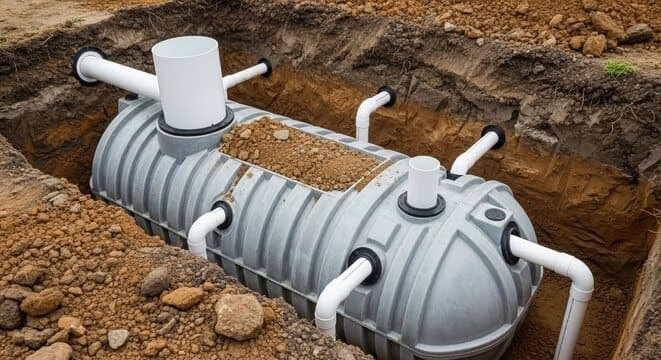
Once the permit is approved, our installation team mobilizes to your property. We excavate the tank location and drain field area according to the engineered design. The tank—typically concrete or high-density polyethylene—is carefully set in place on a level bed of sand or gravel. The inlet and outlet connections are made with proper seals and slope. The drain field is constructed with perforated distribution pipes laid in gravel trenches or beds, designed to distribute effluent evenly through the soil for natural treatment. We install access risers at the tank openings to bring them to grade for easy future access during pumping and inspection. The sewer line from your building is connected to the tank inlet. All connections are tested for proper flow and seal before backfilling. After backfill, the site is graded to promote surface water drainage away from the system. We complete a final inspection with the local health department and provide you with a diagram of your system’s layout, including tank location, drain field configuration, and access points. This documentation is essential for future maintenance and for any property transactions. For ongoing system health, regular pumping is required every three to five years depending on usage. Our Drain Cleaning services can help maintain the pipes leading to your septic system.
Signs You Need a New Septic System
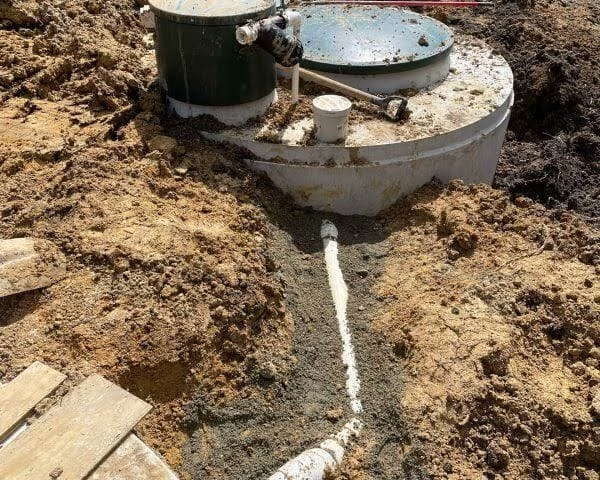
Several indicators suggest that your current septic system is failing and replacement should be considered. Persistent wet, soggy areas in your yard, particularly near the drain field, indicate that effluent is surfacing rather than percolating into the soil. Foul odors around the tank area or drain field suggest system failure or a leak in the tank or piping. Slow drains throughout the house, gurgling sounds from plumbing fixtures, or sewage backing up into the lowest drains can indicate a failing drain field that’s no longer accepting wastewater. Lush, unusually green grass over the drain field, especially during dry weather, indicates that nutrient-rich effluent is fertilizing the surface rather than being treated in the soil. If your system is more than twenty to thirty years old, it may be approaching the end of its service life, particularly if it was an earlier generation design or if maintenance has been inconsistent. If you’re building a new home or adding bedrooms to an existing home, your current system may be undersized for the increased wastewater volume and require replacement or expansion. For drain line issues between your home and the septic tank, our Drain Cleaning service can clear blockages. For plumbing repairs related to septic system connections, our Plumbing Repair services address the interior plumbing that feeds your system.
Septic System Maintenance and Care
Protecting Your Investment
A properly installed septic system is a significant investment, and protecting it requires consistent maintenance and mindful use. Regular pumping is the most important maintenance task. Most residential septic tanks should be pumped every three to five years, depending on household size and usage. Pumping removes the accumulated solids that don’t break down in the tank, preventing them from flowing into and clogging the drain field. Water conservation benefits your septic system. Excessive water use can overload the system, pushing solids into the drain field before they’ve settled in the tank. Spread laundry loads throughout the week rather than doing multiple loads in one day. Fix leaky faucets and running toilets promptly—a running toilet can add hundreds of gallons of unnecessary water to your system daily. Our Plumbing Repair services can address these leaks before they stress your septic system. Be careful what goes down your drains. Avoid flushing anything other than human waste and toilet paper. Never pour grease, oil, or fat down kitchen drains—these materials solidify in pipes and the septic tank, causing blockages. Avoid harsh chemical drain cleaners that kill the beneficial bacteria in your septic tank that break down solids. For drain maintenance that protects your septic system, our Drain Cleaning services use mechanical methods that won’t harm your system’s biology. Protect your drain field by keeping vehicles, livestock, and heavy equipment off it. Don’t plant trees or shrubs near the drain field—roots can infiltrate and clog distribution pipes. Keep roof drains, sump pumps, and other water sources directed away from the drain field area.
Why DWC Plumbing Is the Right Choice for Septic Tank Installation in Alachua Florida
Complete Service from Permit to Final Inspection. Septic system installation involves multiple steps—soil testing, system design, permit applications, excavation, tank placement, drain field construction, and connection to building plumbing. We handle every phase with in-house expertise, eliminating the need to coordinate multiple contractors. You have one point of contact and one accountable partner throughout the entire process.
Code-Compliant, Property-Specific Design. We don’t install generic systems. Every septic installation is designed specifically for your property’s soil conditions, water table, available space, and your building’s wastewater volume. Our designs meet or exceed Florida Department of Health requirements and local codes. We obtain all necessary permits and our installations pass inspection because they’re done correctly. For water quality protection, our Water Filtration Systems service can address well water concerns often associated with septic system properties. For gas line work on rural properties, our Gas Line Installation and Repair service provides safe fuel delivery. For commercial septic needs, our Commercial Plumbing service handles large-scale commercial septic systems.
AREA WE SERVED
Proudly delivering professional septic tank installation across North Central Florida. From site evaluation to system activation, DWC Plumbing is your trusted local partner for complete wastewater solutions.
Frequently Asked Questions About Septic Tank Installation in Alachua Florida
How do I know what size septic tank I need?
Septic tank size is determined by your building’s estimated daily wastewater flow, which is based on the number of bedrooms in a residential property or fixture count and usage patterns in a commercial building. Florida code specifies minimum tank capacities based on these factors. Our site evaluation includes this calculation, and we specify a tank that meets or exceeds the minimum requirements.
How long does septic tank installation take?
A standard residential septic system installation typically takes three to five days from excavation to final connection, depending on system complexity, soil conditions, and weather. The permitting process before installation can take several weeks. We provide a complete timeline during your initial consultation.
What is a percolation test and why is it required?
A percolation test measures how quickly water moves through your soil. This rate determines the required size of your drain field and whether the soil can adequately treat wastewater before it reaches groundwater. It’s a required part of the septic system permitting process in Florida and must be conducted by a qualified professional.
How long does a septic system last?
A properly installed and maintained concrete septic tank can last forty years or more. The drain field typically lasts twenty to thirty years, depending on soil conditions, usage, and maintenance. Regular pumping every three to five years is the most important factor in extending drain field life.
Can you install a septic system on any property?
Not every property is suitable for a conventional septic system. Factors including soil type, seasonal water table levels, available space, and proximity to wells and waterways determine feasibility. Some challenging sites may require advanced treatment systems or alternative drain field designs. Our site evaluation determines what’s possible on your specific property.
How do I maintain my septic system after installation?
Pump the tank every three to five years. Conserve water to avoid overloading the system. Avoid flushing anything other than human waste and toilet paper. Keep grease and harsh chemicals out of your drains. Protect the drain field from vehicles and heavy equipment. Keep trees and shrubs away from the system components.
What's the difference between a septic tank and a sewer connection?
A septic system treats and disposes of wastewater entirely on your property through a tank and drain field. A sewer connection carries wastewater off your property through underground pipes to a municipal treatment facility. Properties in rural areas without access to municipal sewer lines require septic systems.
Do you handle septic system repairs?
Yes. In addition to new installations, we diagnose and repair failing septic systems. Common repairs include replacing damaged distribution pipes, repairing or replacing broken tank baffles, and addressing drain field issues. For sewer line connections to the septic tank, our Sewer and Water Line Services team handles underground pipe repairs.
Schedule Your Septic Tank Installation Consultation in Alachua Florida Today
If you need professional plumbing services in Lake Butler, DWC Plumbing is ready to help. From repairs and maintenance to installations and emergency plumbing solutions, dependable service is only a phone call away.